


The question "Can you 3D print polyurethane?" is common among engineers and designers seeking the material's renowned durability, flexibility, and chemical resistance. The answer is nuanced: while traditional polyurethane (PUR) is challenging, advancements in materials and processes have made various forms of polyurethane 3D printing a viable reality. This article delves into the specific technologies, materials, and applications that define this evolving field.
What is Polyurethane 3D Printing?
The String-Like Plastic for Printers
Printing Foam and Coatings
Printing with “Liquid Plastic”
Mixing Materials
Polyurethane 3D Printing Cons
What is Polyurethane 3D Printing?
Polyurethane 3D printing is a way of using special types of polyurethane (a tough and flexible kind of plastic) in a 3D printer. There are two main types: one that melts when heated (like a candy bar), and one that hardens forever after a chemical reaction (like baking a cake). The meltable kind, called thermoplastic polyurethane 3D printing, is the one most people use because it works with common 3D printers.

The String-Like Plastic for Printers
The most popular way to 3D print with polyurethane is by using a string of material called polyurethane 3D printing filament. This string is made of that meltable type of polyurethane (TPU). It’s famous for being stretchy and strong, just like a rubber band! You can use it to make cool things like phone cases, toy tires, or even comfortable grips for tools.
Printing Foam and Coatings
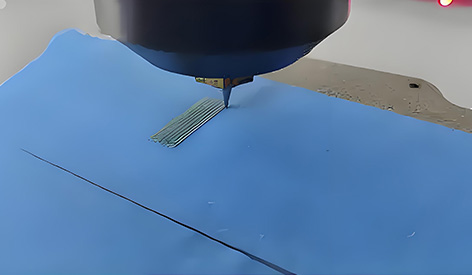
Did you know some people can even 3D print polyurethane foam? Imagine printing a soft, cushiony mattress or a squishy helmet liner right from a printer! They do this by mixing two liquids that puff up into foam as they print.
There’s also something called 3D print polyurethane coating. This is like giving a 3D printed object a super strong jacket. The printer sprays on a thin layer of liquid polyurethane to protect the object from scratches, water, or chemicals. A similar idea is polyurethane spray 3D print, where a machine uses a spray gun to build or coat an object layer by layer.
Printing with “Liquid Plastic”
Another way to print is with polyurethane resin 3D printing. Instead of using a string of plastic, some printers use a vat of liquid resin. The printer uses light to harden the liquid into solid shapes, one super-thin layer at a time. It’s great for making very detailed and smooth objects, like tiny figurines or custom jewelry.
Mixing Materials
What if you want an object that is both hard and soft? You can 3D print polyurethane and acrylic together! Acrylic is a hard plastic (like what LEGO bricks are made of). So, a printer could make a tool with a hard handle and a soft, comfy grip all in one go!
Polyurethane 3D Printing Cons
Of course, it’s not all perfect. There are some polyurethane 3D printing cons (or downsides). The string-like filament can be tricky to print with because it’s so flexible—it can get stuck in the printer like sticky spaghetti! The liquid resin can be smelly and needs to be handled carefully. Also, printing with foam is still very new and can be expensive and complicated.

3D printing with polyurethane lets us make amazing things that are strong, flexible, and durable. Scientists and engineers are always finding new and better ways to print with this awesome material. Who knows—maybe one day you’ll design and print something amazing with it.

