


Have you ever tried to screw something into a soft material like wood or plastic, and it just doesn't hold well? That's where threaded inserts come in! Think of them as special helpers that make it easy to create strong, reusable threads in materials that are too weak or thin on their own. They are like adding a sturdy metal sleeve inside a soft material so you can screw bolts in and out many times without wearing it out. In this article, we'll explore the different materials used to make threaded inserts, such as stainless steel, brass, ones for aluminum, nylon, and rivet studs. We'll also see where they are used in everyday things, from cars to toys. By understanding these materials, you can see how engineers choose the right one for each job to make things last longer and work better.
What Are Threaded Inserts and Why Do We Need Them?
Common Materials Used for Threaded Inserts
A Quick Look at Threaded Insert Materials
Stainless Steel Threaded Inserts
Brass Threaded Inserts
Threaded Inserts Made for Aluminum
Nylon Nut Inserts
All About Rivet Studs
Where Threaded Inserts Are Used in Real Life
What Are Threaded Inserts and Why Do We Need Them?
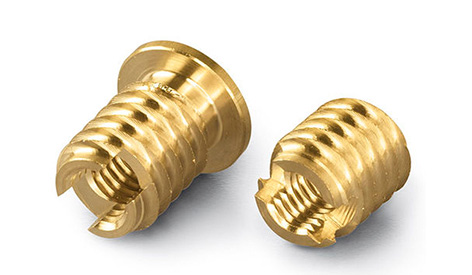
Threaded inserts are small parts that have threads on the inside, kind of like a nut, but they are designed to be pushed or glued into another material. Their main job is to provide a strong threading surface so that screws or bolts can be attached securely. For example, if you have a plastic toy that needs to be taken apart and put back together, using a threaded insert stops the plastic from getting damaged. Without them, repeated screwing and unscrewing could strip the threads, making the item useless. These inserts are used in lots of industries, like making cars, airplanes, and even electronics. People pick different materials for threaded inserts based on where they'll be used. Some need to resist rust, others need to be light, and some must handle lots of force. By choosing the right material, things stay safe and work smoothly for a long time.
Common Materials Used for Threaded Inserts
When we talk about threaded insert materials, we mean what they are made of. Just like you might choose a raincoat for wet weather or a t-shirt for a sunny day, engineers pick materials based on the job. Each material has its own superpowers! Metals like stainless steel and brass are strong and durable, while plastics like nylon are light and don't conduct electricity. Some inserts even have special coatings to make them work better in certain situations. Let's look at the most popular materials and why they're so useful.
A Quick Look at Threaded Insert Materials
Threaded inserts can be made from many different things, and each type is good for specific uses. For instance, if you need something that won't rust, you might go for stainless steel. If you're working with electricity, brass could be a better choice. There are also inserts made just for soft metals like aluminum, and others like nylon that are great for insulating against electricity. By knowing about these options, people can build things that are strong, safe, and cost-effective. It's all about matching the material to the job, whether it's for a bike, a phone, or a boat.
Stainless Steel Threaded Inserts
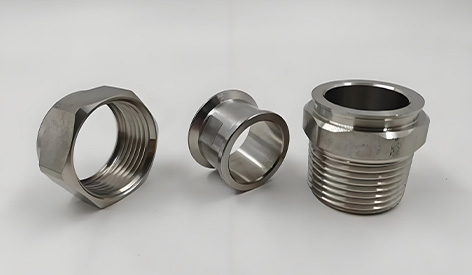
Stainless steel threaded inserts are like the superheroes of the insert world because they are super strong and don't rust easily. Made from a mix of metals that include chromium, they can handle wet, salty, or chemical environments without breaking down. Imagine using them in a boat or near the ocean—they'll stay shiny and strong for years! They're also non-magnetic, which means they won't interfere with electronic devices. You'll find stainless steel inserts in things like medical tools, kitchen appliances, and outdoor machinery. However, they can be a bit more expensive than other materials, so people use them where durability really matters.
Brass Threaded Inserts
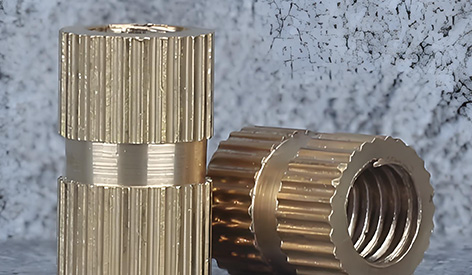
Brass threaded inserts are made from a mix of copper and zinc, giving them a nice gold-like color. They are really good at conducting electricity, so they're often used in wiring and electrical devices. Plus, they don't rust as much as regular steel, though they might tarnish in humid places if not taken care of. Brass is also soft and easy to shape, making it simple to install in materials like wood or plastic. For example, in lamps or car electrical systems, brass inserts help keep connections secure and efficient. They're a popular choice because they look nice and work well, but they might not be as strong as stainless steel in really tough conditions.
Threaded Inserts Made for Aluminum
Aluminum is a light metal used in things like airplanes and bikes, but it's soft and can react badly with other metals, causing corrosion. That's why there are special threaded inserts for aluminum. These inserts are often made from materials that won't cause reactions, like certain types of stainless steel or coatings that act as barriers. They might have rough surfaces or knurling to grip the aluminum tightly. When installed, they spread out the force so the aluminum doesn't crack or strip. You'll see them in aircraft parts, car engines, and bicycles, where keeping things light and strong is super important.
Nylon Nut Inserts
Nylon nut inserts are made from a type of plastic that is lightweight, strong, and doesn't conduct electricity. This makes them perfect for use in electronics, like inside computers or toys, where you don't want sparks or short circuits. Nylon is also resistant to chemicals and doesn't wear out easily from rubbing. It can help reduce noise and vibration because it's a bit flexible. For instance, in car interiors or household gadgets, nylon inserts keep parts tight without adding much weight. But they aren't great for very hot places because nylon can melt or deform at high temperatures, so they're best for cooler jobs.
All About Rivet Studs
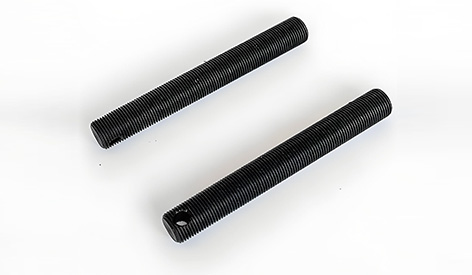
Rivet studs are a bit different—they combine a rivet (which is like a permanent fastener) with a threaded stud. This means they can be installed quickly from one side, without needing access to the back. They're often made from steel, aluminum, or plastic, and are used in thin materials like sheet metal or plastic cases. Think of them in car doors or electronic boxes, where space is tight. Rivet studs provide a strong hold and are put in with special tools that squeeze them into place. They're awesome for fast production lines, but the material has to be chosen based on how much force they'll face and where they'll be used.
Where Threaded Inserts Are Used in Real Life
Threaded insert applications are everywhere once you start looking! In cars, they help hold together engine parts and body panels, making sure everything stays secure even with all the shaking and heat. In airplanes, they're used in frames and equipment to keep things light but strong, which is crucial for safety. At home, threaded inserts might be in furniture that you assemble yourself, allowing you to tighten screws without damaging the material. Electronics like game consoles and phones use them for easy repairs. Even in hospitals, threaded inserts are in tools and machines because they need to be clean and rust-free. By picking materials like stainless steel for toughness or nylon for insulation, manufacturers make sure these inserts do their job well. This way, products last longer and are easier to use, which is better for everyone.

In the end, threaded inserts are tiny but mighty parts that make our lives easier by providing strong threads where we need them. The materials they're made from—like threaded insert stainless steel for rust resistance, brass threaded inserts for electrical jobs, threaded inserts for aluminum to prevent corrosion, nylon nut inserts for light and safe uses, and rivet studs for quick installation—all have their own strengths. Understanding threaded insert materials helps people build better cars, planes, toys, and more. As we invent new materials, threaded inserts will get even better, solving problems in smart ways.

