


Should your product be a flawless, invisible mirror to the world? Or should it have a quiet, honest texture that invites a human touch?
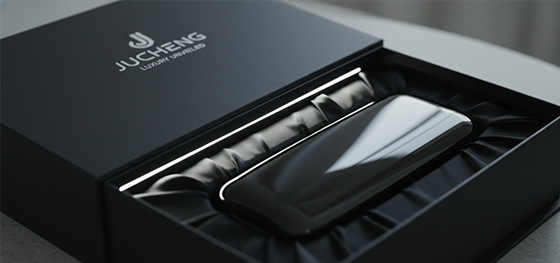
This is not just a technical question. It is a question of philosophy. It is about defining the personality of your product. The surface finish is your product's skin. It is the first thing a customer sees and feels. It is their first handshake with your brand.
In the world of Injection Molding, we have a complete language to describe these personalities. This guide will introduce you to the world of Injection molding surface finishes, from the language of the SPI standards to the art of custom textures.
The Language of Smoothness: Polished Finishes (SPI A & B)
The Character of Texture: Matte Finishes (SPI C & D)
Speaking with a German Accent: VDI Textures
Beyond the Mold: Secondary Finishing Operations
A Conversation with Your Manufacturer
The Language of Smoothness: Polished Finishes (SPI A & B)
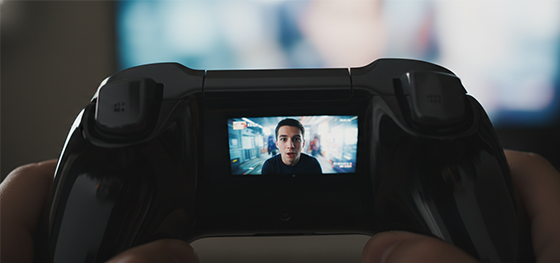
The finish of a plastic part is a direct replica of the steel mold's surface. To create a perfectly smooth, glossy part, the mold itself must be polished to a mirror. This is a highly skilled and labor-intensive process.
The SPI (Society of the Plastics Industry) created a standard to classify these finishes. The highest level is SPI A-1. This is a true diamond polish, resulting in a part with a flawless, mirror-like gloss. It is used for high-end optical parts like lenses and clear screens.
A-grade finishes are beautiful, but they are also very expensive and will show every fingerprint and tiny scratch. A more practical choice for many high-gloss products is a B-grade finish. The mold is polished with fine grit paper, which removes all tool marks and creates a very good commercial gloss, without the extreme cost of a diamond polish.
The Character of Texture: Matte Finishes (SPI C & D)
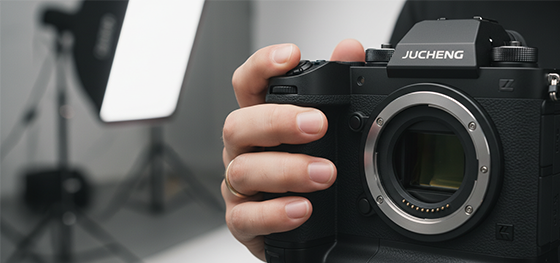
But what if you do not want a glossy finish? What if you want a product that is understated, professional, and does not show fingerprints? This is the world of textured finishes.
Instead of polishing the mold, we use an abrasive process to give it a uniform, matte texture. SPI C and D grades are created by blasting the mold surface with fine stone powder or sand.
A D-grade finish, created by sandblasting, results in a rough, non-reflective matte surface. It is great for hiding imperfections and for parts where a grip is needed.
A C-grade finish, created with finer stone powder, results in a smoother, more subtle matte finish. This is a very popular choice for professional electronic housings and tools. It feels good to the touch and looks very clean and modern.
Speaking with a German Accent: VDI Textures
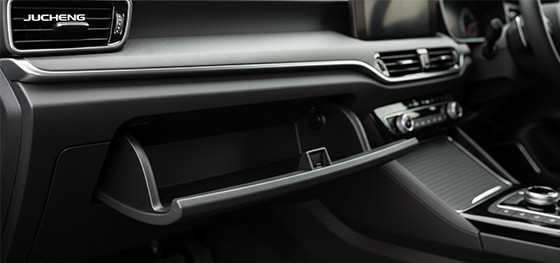
For a more precise and technical texture, many designers, especially in the automotive industry, turn to the VDI 3400 standard.
VDI is a German standard. Unlike the SPI grades which can be somewhat subjective, VDI defines a series of very specific, repeatable textures. These are created on the mold using a process called spark erosion, or EDM.
The result is a very uniform, fine-grained matte texture. It has a distinctly "engineered" and high-quality feel. It is extremely durable and excellent at hiding wear and tear. If you look at the dashboard or the door panels in a high-quality car, you are almost certainly looking at a VDI texture.
Beyond the Mold: Secondary Finishing Operations
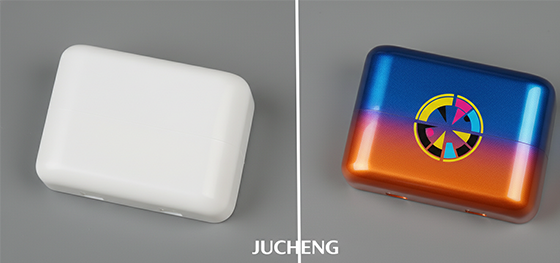
The finish from the mold is not the end of the story. You can further enhance your part with secondary operations.
Painting is a common option. It allows you to achieve any color imaginable, as well as special effects like metallic or soft-touch finishes.
Pad printing and silkscreening allow you to print high-resolution logos, text, and graphics directly onto your part. This is essential for branding and user interface elements.
Laser etching is another premium option. A laser can be used to precisely engrave logos or serial numbers onto the plastic surface, creating a very durable and high-end mark.
A Conversation with Your Manufacturer
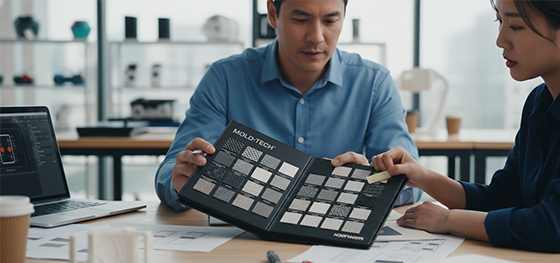
Choosing a surface finish is a critical design decision with many variables. A picture on a screen can never truly capture the feel of a texture.
This is why working with a good manufacturing partner is so important. At JUCHENG, we do not just show you pictures. We have physical texture plaques. These are sample chips that represent all the common SPI and VDI finishes.
We can send these plaques to you. This allows you to see and, most importantly, feel the different options for yourself. This hands-on experience is the only way to make a confident decision.
This collaborative process is part of our commitment to being more than just a supplier. We are your partners in creating a product that not only works perfectly, but also tells the exact story you want it to tell.

