


You have just received three quotes for your new sheet metal part. One is $50. One is $80. And one is $120. They are all for the exact same design. Why is there such a huge difference in the Sheet metal fabrication cost?

This is one of the most confusing parts of sourcing manufactured parts. The price can seem arbitrary. But it is not. A professional quote is a detailed calculation. It is a story about how your part will be made.
Understanding this story is the key to making smart purchasing decisions. It is also the secret to designing a more cost-effective part from the very beginning. Let's open up a quote and see what is inside.
The First Cost: Your Material (And Its Ghost)
The Second Cost: Your Design's Time on the Machine
The Third Cost: The Hands of a Craftsman
The Smartest Way to Save Money
The First Cost: Your Material (And Its Ghost)
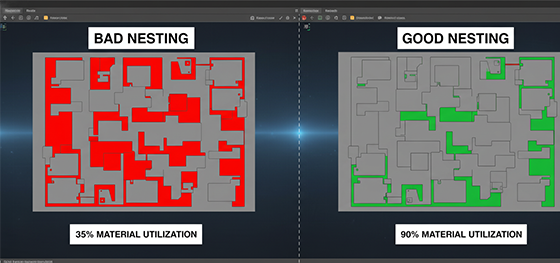
The most obvious cost is the raw material. Steel is cheaper than aluminum. A thicker sheet is more expensive than a thin one. This is simple.
But there is a "ghost" cost hiding here. The cost of the material you *don't* use. The scrap.
Sheet metal parts are cut from large, standard-sized sheets. A good manufacturer uses sophisticated "nesting" software. This software acts like a puzzle master. It arranges your parts on the sheet as tightly as possible to minimize the amount of wasted material.
A cheap shop might not have this software. They might arrange the parts inefficiently. This can lead to a huge amount of scrap. And you, the customer, are the one who pays for that scrap. A higher material utilization rate directly translates to a lower cost for you.
The Second Cost: Your Design's Time on the Machine
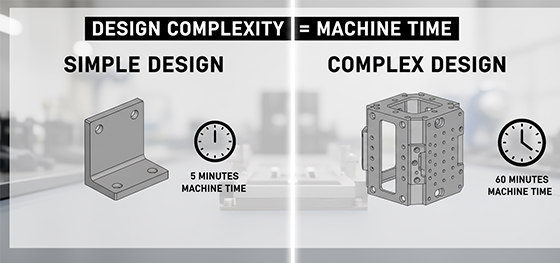
The next major component of the Sheet metal fabrication cost is machine time. Every hour a laser cutter or a press brake is running your job, it is adding to the bill.
What determines machine time? Your design's complexity.
A part with a hundred tiny holes will take the laser cutter much longer than a part with three big holes. The laser has to slow down and speed up for each feature.
A part with twenty small, complex bends will take the press brake operator much longer than a part with two simple bends. Each bend requires a separate setup and handling of the part.
So, when you are designing, always ask yourself: "Is this feature necessary? Can I achieve the same result with a simpler design?" Reducing complexity is the most direct way to reduce machine time.
The Third Cost: The Hands of a Craftsman
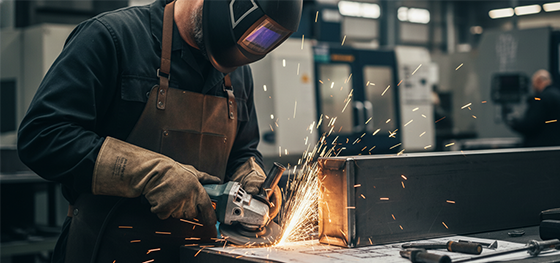
Not everything in Sheet Metal Fabrication is automated. Many of the most critical, and most expensive, steps require the skilled hands of a craftsman. This is the labor cost.
Welding is a perfect example. It is a highly skilled, manual process. A long, complex weld seam can take a significant amount of time. And after welding, the seam often needs to be ground down and smoothed to be invisible. This is even more skilled labor.
Complex assembly is another major labor cost. Inserting dozens of PEM nuts. Riveting multiple parts together. This all takes time.
Even a high-end surface finish requires labor for sanding and preparation. When you see a high labor cost in a quote, it is often a reflection of the amount of hands-on, skilled work your design requires.
The Smartest Way to Save Money

So, how can you reduce your costs? The answer is not to find a cheaper shop. The answer is to create a smarter design.
This is where a DFM (Design for Manufacturability) review from a professional partner is your most powerful tool.
An experienced engineer can look at your design and immediately spot opportunities to save money. "If we change this weld to a series of bends from a single piece, we can eliminate an entire labor step." "If we slightly rearrange the holes, we can nest your part more efficiently and reduce your material cost by 10%."
This is the difference between a simple supplier and a true partner. A supplier just gives you a price for your design. A partner helps you improve your design to get a better price. This collaborative process is the key to managing your Sheet metal fabrication cost effectively.

