


An engineer asks a logical question: "Zinc is a die casting alloy. It is designed for low-cost, high-volume production. Why would I ever pay the high price of CNC machining to make a part from it?"
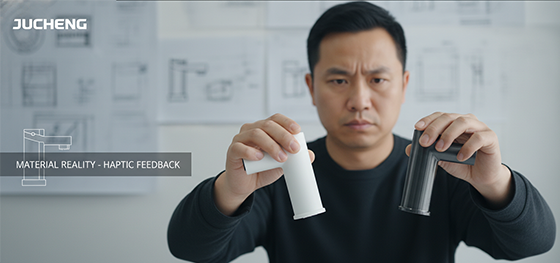
This is a smart question. On the surface, it seems to make no sense. It is like using a Formula 1 engine to power a city bus.
But for a product developer on the verge of a huge tooling investment, the process of zinc cnc machining is not a strange choice. It is one of the smartest, safest investments they can make. It is the ultimate insurance policy.
The Ultimate Question: Why Machine Zinc?
Simulating the 'Feel': Weight and Balance
A Perfect Canvas for Finishing
Your Bridge to Confident Production
The Ultimate Question: Why Machine Zinc?
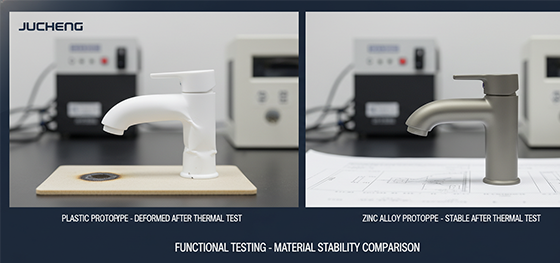
The purpose of a prototype is to provide data and reduce risk before you commit to mass production.
A 3D printed prototype is great for checking the basic shape and fit. But it tells you nothing about the real-world performance of your final die cast zinc part. It is made of plastic. It is too light. It is too weak. It cannot be electroplated.
A prototype made via zinc cnc machining is different. It is a "high-fidelity" prototype. It is made from the exact same family of alloys (like Zamak 3) as your final die cast part. This means the data it gives you is real, trustworthy data. It is a true preview of your final product.
Simulating the 'Feel': Weight and Balance
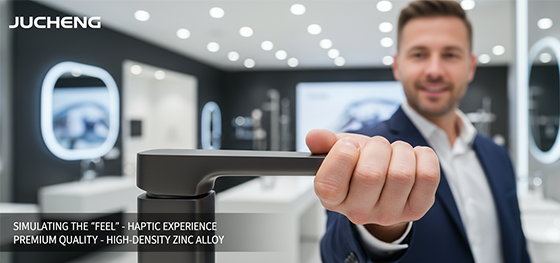
One of the most important but underrated properties of a product is its "perceived quality." How does it feel in a customer's hand?
Zinc is a dense metal. It is much heavier than plastic and even heavier than aluminum. This density gives zinc parts a satisfying, substantial, and high-quality feel.
Imagine you are designing a new luxury faucet handle. The way it feels when a customer turns it is a huge part of the experience. A lightweight plastic prototype cannot simulate this.
By CNC machining the prototype from a solid block of zinc, you create a model that has the exact weight, balance, and thermal feel of your final die cast product. You can put it in the hands of users and get real, meaningful feedback on the ergonomics and perceived quality before you ever spend a dollar on a die casting tool.
A Perfect Canvas for Finishing
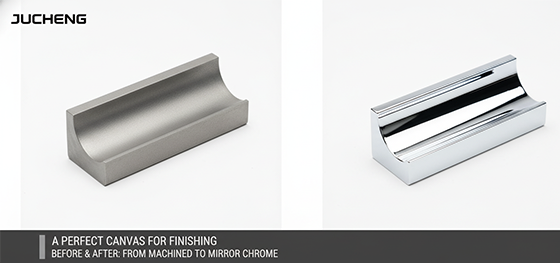
Zinc's other superpower is its ability to be beautifully finished. It is the perfect canvas for electroplating, especially chrome plating.
This is another area where a plastic prototype will fail you. You cannot properly test the final cosmetic appearance of your product.
A prototype created with zinc cnc machining can go through the exact same finishing process as your final parts. You can machine it, polish it, and then send it for a perfect, mirror-like chrome plating.
This allows you to create a visual and functional prototype that is truly indistinguishable from the final product. It is a perfect tool for marketing photoshoots, trade show displays, and investor presentations.
Your Bridge to Confident Production

The cost of a die casting die is a massive investment. It can be tens of thousands of dollars. Finding a design flaw after this tool is made is a financial disaster.
A machined zinc prototype is your insurance policy. It is the ultimate bridge to confident production. It allows you to perform a final, full-scale validation of your design in the exact right material.
Does it fit with the other components? Does it feel right? Does it look right after plating? You can answer all these questions with certainty before you commit to the big expense.
At JUCHENG, we understand this strategic value. We offer both expert zinc cnc machining for your high-fidelity prototypes, and full-scale die casting services for your production. We can be your partner on the entire journey, from the first perfect prototype to the ten-thousandth perfect part.

